
We test before we clean
Testing the material on a hidden spot is a step we treat as necessary, not optional.
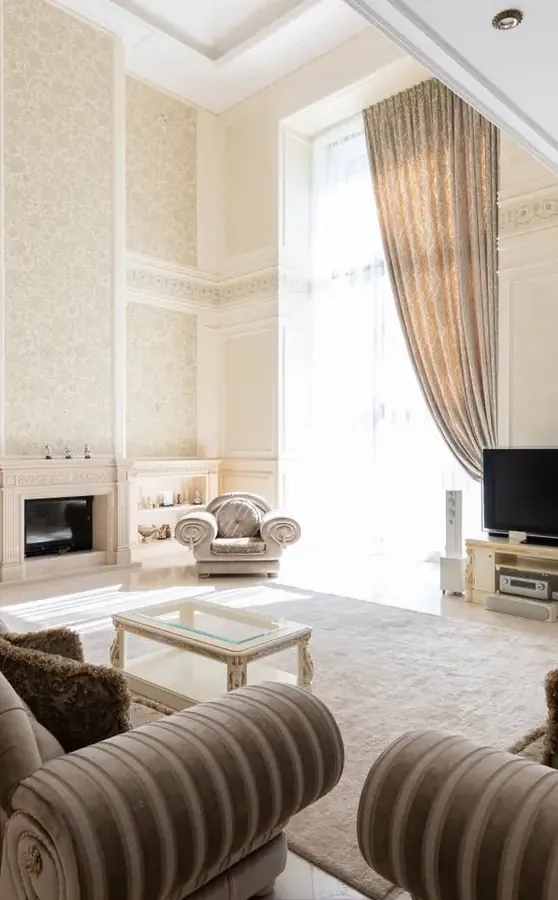
Al Safa is an older district spanning from Prince Majid Road to King Fahd Road, layered with three types of home: villas, apartment buildings and shops on the street level. Carpets here absorb cooking grease from the commercial kitchens below and the fine black dust of busy roads, and their fibres vary building by building, so each one needs its own approach before water touches it.
Rugs and curtains here take on the dust from main roads faster than in other districts, especially near the commercial streets where air movement drives particles deep into fibres. For the method itself, see our carpet and rug cleaning service in detail.
Shops cooking all day underneath flats release warm fat up through stairwells and shared pipework, and it deposits on carpets in the floors above. Grease stains need their own chemistry before water extraction begins, and not all of them yield to the same treatment, so each one must be identified and worked separately.
The older villa has heavy wool pile, the newer flat has synthetic blends, and the shared hallway has industrial-weight nylon backing. Fibre type dictates the entire method: hot water is not safe on every type, and drying time depends on pile density and yarn construction, which differ across the neighbourhood by decade and budget.
Floors here are smooth terrazzo or aged ceramic tile, and moisture gets trapped underneath quickly. If extraction does not leave the carpet completely dry, dampness wicks back from the concrete base and traps odour and bacteria in the pile, so final drying is not a choice but a necessity.
Al Safa extends between Prince Majid Road to the west and King Fahd Road to the east, containing Souq Al Murjan, Al Safa Park, Abdul Latif Jameel Hospital and older residential blocks mixed with mid-rise buildings.
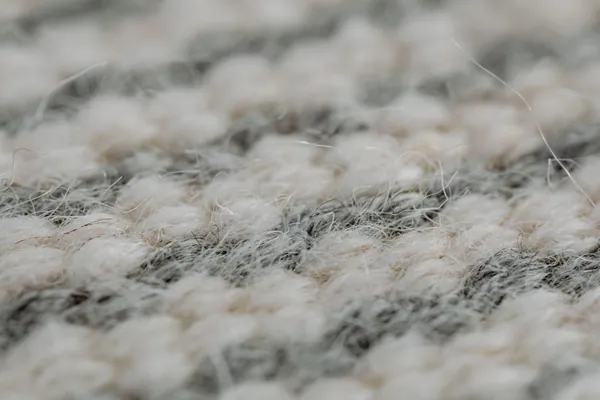
Al Safa carpets mix wool, synthetics and blends across neighbouring buildings, so we must identify the fibre before the first drop of water touches the pile.
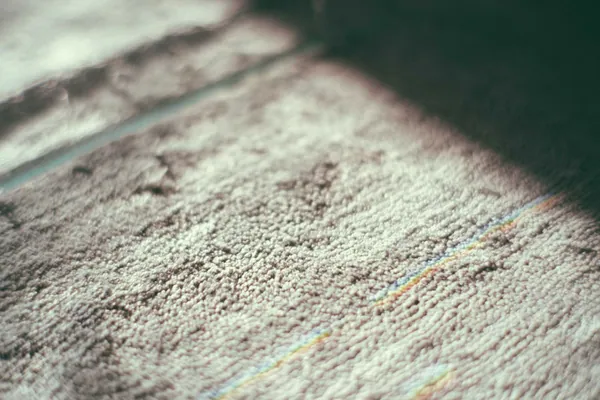
Deep dry vacuuming is especially critical here because grease and road dust settle deeper than in other districts, and surface cleaning alone leaves the base untouched.
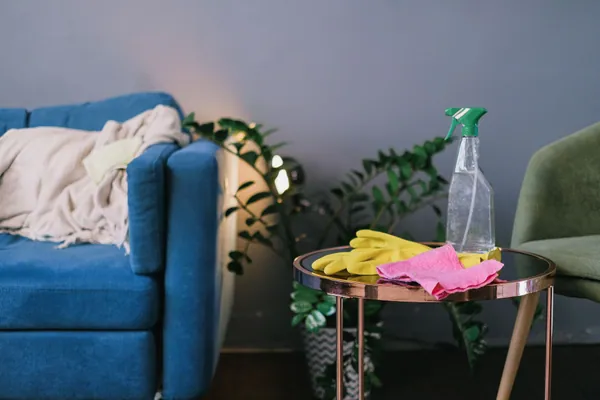
Grease stains, salt stains and general soiling each respond to different chemistry and sequence, and the order of treatment changes the result.
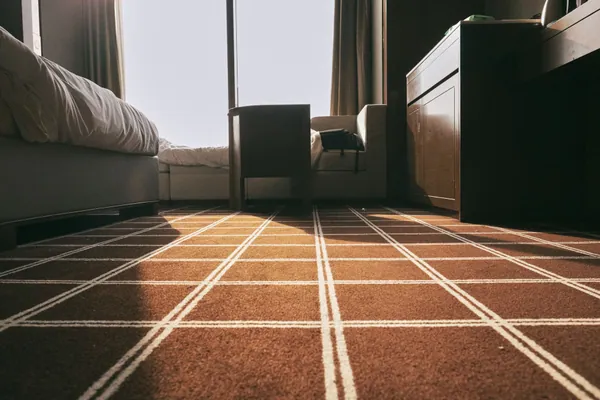
Wool needs precisely controlled water temperature and synthetics allow higher heat, so we choose the extraction method according to what we see beneath the pile.
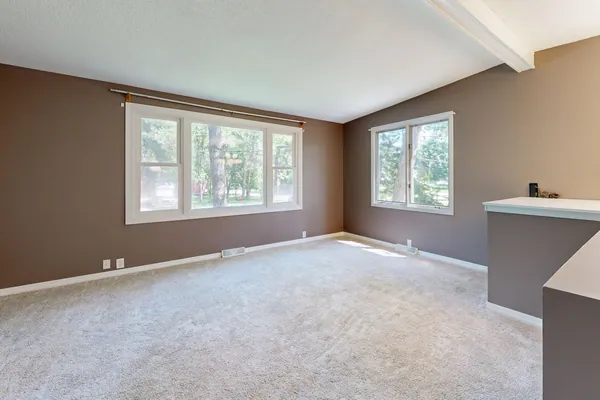
Fitted carpet in shared hallways is cleaned in place because we have no authority to lift it, and drying afterwards is harder when air cannot move freely under the backing.
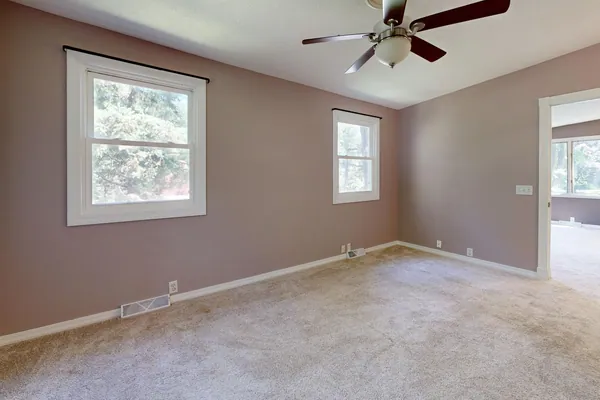
Wet extraction and slow air movement at controlled temperature is the only way to avoid trapped moisture creating a breeding ground for mildew under the carpet base.
Wool, synthetic and silk-blends do not take the same heat or the same material.
Before any water.
An oil stain is not treated like a juice stain.
Hot water loosens what is bound in the pile and the extractor pulls it straight back out with the water, together, so nothing is left sitting in the base.
The borders and fringe are done by hand, where machines skip and where wear shows first, so the whole rug looks even.
The carpet is left slightly damp, not wet.
Mixed district: shops at street level with homes above them
Mixed means the flat above the shop faces different soiling from the villa next door, and the active commercial kitchens below introduce grease and odour that seep upward continuously. Each flat and each villa is a separate case, and no single cleaning interval or depth fits the entire neighbourhood alike.
Testing the material on a hidden spot is a step we treat as necessary, not optional.
The company runs a large workforce, and we send a team rather than one worker.
The deep vacuum and extraction machines are ours and arrive with the team.
If a rug needs repair or re-fringing rather than cleaning, we say so.
Photographs from real jobs carried out by the crew.












The commitment is simple enough to actually keep: we do not leave before you have seen the result and told us what you think.
Central Jeddah is the old heart of the city: Al Balad with its coral stone houses, and the dense apartment quarters around it with shops beneath the flats. Floors here are often terrazzo or older ceramic tile, worn smooth and easily stained by cooking grease that drifts up from the street. Older kitchens and bathrooms carry heavy scale on taps and around drains, and pipework in the older blocks leaves rust marks in basins. Rugs and curtains take on the fine black dust of the main roads, so they need washing more often than elsewhere.
We provide these in Al Safa too, and more than one can share a single visit.



