
We test before we clean
Testing the material on a hidden spot is a step we treat as necessary, not optional.
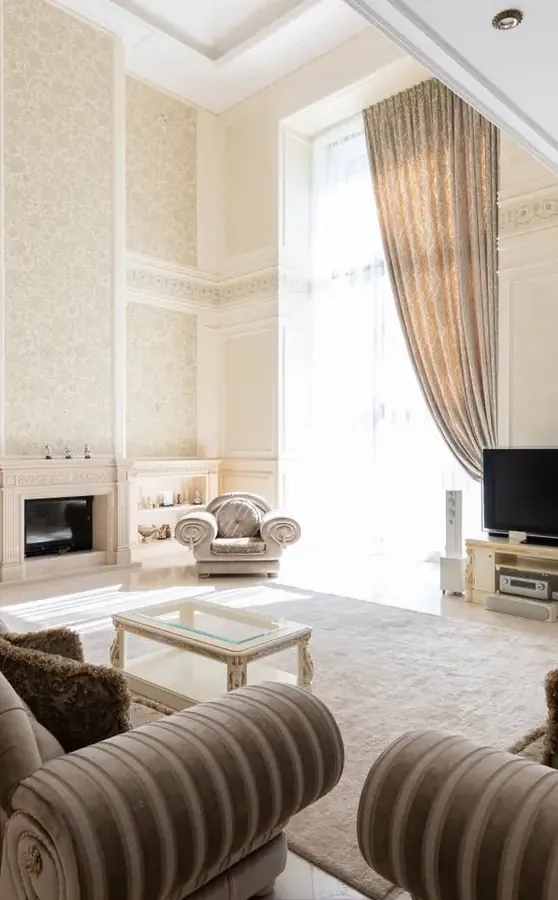
Al Nuzlah Yamaniyah is a dense old quarter wedged between the sea and heavy industry. Traditional Hijazi stone houses stand beside modern flats and apartment blocks, all bearing the weight of south Jeddah's coastal penalty: high humidity, oily black dust from industry and the port, and salt from the sea. Carpet absorbs this mixture within days, and old floors leave rust and moisture marks everywhere. This combination requires targeted extraction and thorough drying.
Carpet near the port and heavy roads accumulates oily black dust wholly different from the finer grit of interior neighbourhoods. For the method itself, see our carpet and rug cleaning service in detail.
The port, factories and heavy traffic combine diesel soot, salt residue and moisture into a sticky coating. This oily dust clings to carpet and leaves dark staining that ordinary vacuuming cannot shift.
Coral stone and traditional ventilation retain humidity far more than modern construction. Carpet in these homes needs stronger drying and longer air movement to prevent mould growth.
The quarter is densely populated with constant foot traffic. Carpet takes heavier wear than in quiet homes. Stains are numerous and mixed: food, tea, cooking oils and street grime all present.
A dense old quarter centred on Khuzam Palace, home to the Jeddah Regional Museum, where traditional Hijazi houses survive alongside newer residential blocks, with shopping centres, schools, restaurants and cafes lining King Khalid Street.
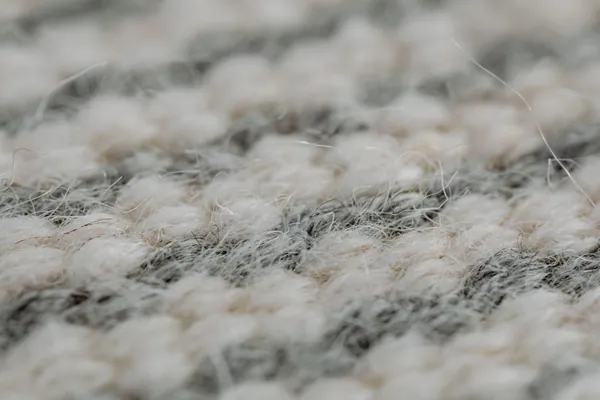
Natural and wool carpet in Al Nuzlah Yamaniyah needs careful identification because salt and moisture affect safe washing procedures.
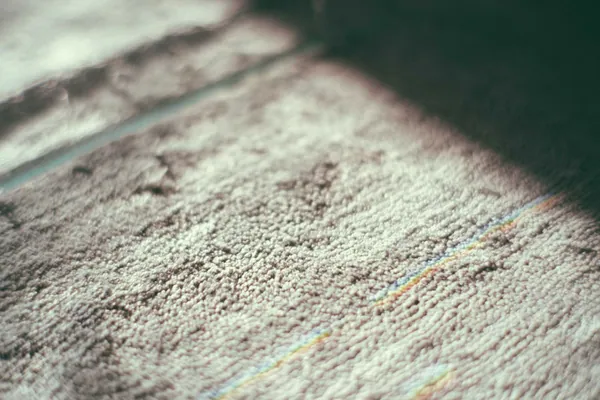
Deep dry vacuuming must be very thorough to remove oily dust and salt deposits before the wet extraction stage.
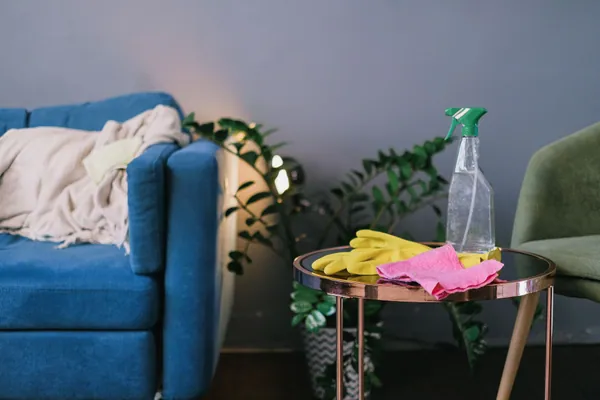
Mixed stains from food, oils and grease need assessment and individual treatment for each type.
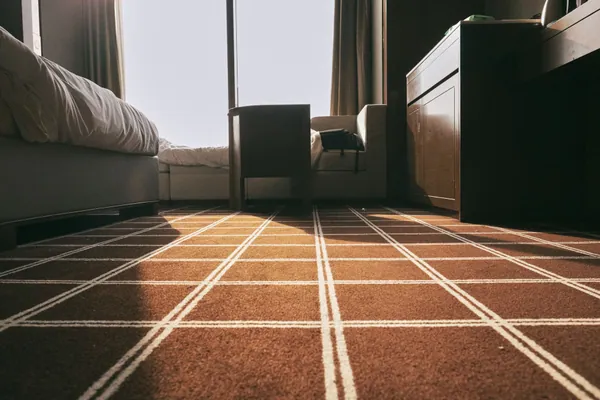
Washing must effectively remove grease and salt yet remain safe on aged fibres common in older homes.
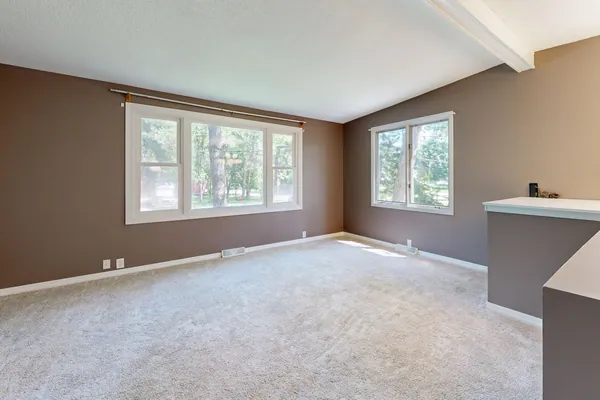
Fitted carpet must dry with strong ventilation because south coast humidity resists quick drying.
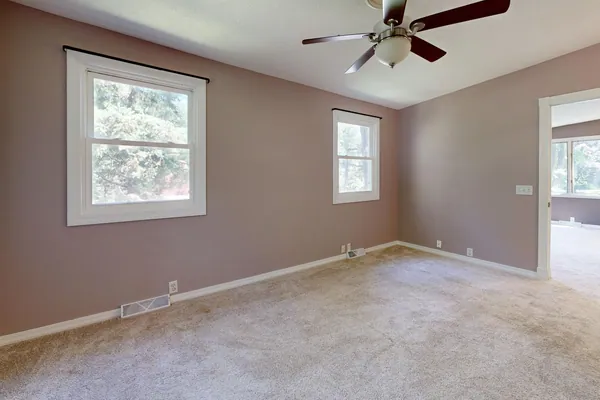
Final drying must be lengthy and complete to prevent mould growth restarting after the cleaning.
Wool, synthetic and silk-blends do not take the same heat or the same material.
Before any water.
An oil stain is not treated like a juice stain.
Hot water loosens what is bound in the pile and the extractor pulls it straight back out with the water, together, so nothing is left sitting in the base.
The borders and fringe are done by hand, where machines skip and where wear shows first, so the whole rug looks even.
The carpet is left slightly damp, not wet.
Carpet in homes near Khuzam Palace and the Jeddah Regional Museum faces intense coastal humidity and requires special handling for salt and moisture removal. Access from King Khalid Street makes site movement and on-location drying straightforward.
Testing the material on a hidden spot is a step we treat as necessary, not optional.
The company runs a large workforce, and we send a team rather than one worker.
The deep vacuum and extraction machines are ours and arrive with the team.
If a rug needs repair or re-fringing rather than cleaning, we say so.
Photographs from real jobs carried out by the crew.












The commitment is simple enough to actually keep: we do not leave before you have seen the result and told us what you think.
South Jeddah runs from the port and the industrial city down towards Al Khumrah, and homes here sit between the sea and the heavy goods roads. The dust is darker and oilier than in the north, a mix of diesel soot and workshop grit, and it clings to net curtains, window sills and the tops of kitchen cupboards. Floors in the older low rise housing are often plain cement or ceramic tile that darkens where soot is walked in. Humidity from the coast adds mildew in bathrooms and a musty smell in stored fabrics.
We provide these in Al Nuzlah Yamaniyah too, and more than one can share a single visit.



