
We test before we clean
Testing the material on a hidden spot is a step we treat as necessary, not optional.
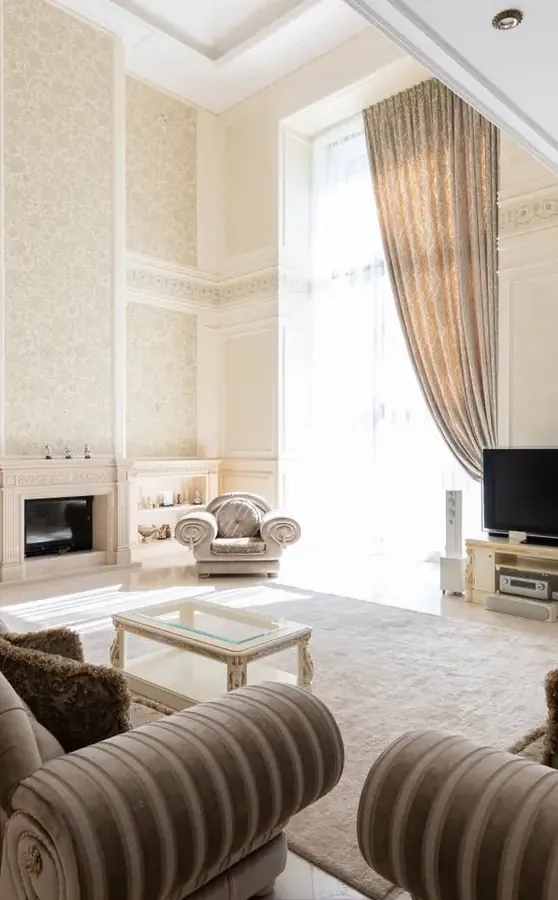
Al Karamah is a mixed administrative district in south Jeddah, with newer low-density residential planning and shops at street level, served by Al Lith Road and the Middle Ring Road. Carpet here faces a unique cocktail of stress: heavy diesel soot from lorries on the industrial routes, and salt-laden humidity from proximity to the port and sea. The dust is darker, oilier and more chemically complex than anywhere in the north.
Carpets here blacken faster than in other districts because diesel soot adheres strongly to fibres and coastal moisture makes the pile heavier and slower to dry. For the method itself, see our guide to carpet and rug cleaning.
Al Lith Road carries heavy goods vehicles to and from the port and industrial zone constantly. Engine emissions settle on carpets through open windows and door gaps as a thin greasy film that is not visible at first but makes carpet feel heavier and look duller day by day.
Proximity to Jeddah Islamic Port elevates both humidity and salt content in the air year round. This moisture penetrates carpet and keeps the pile damp even on rainless days, accelerating fibre degradation and colour fading in ways dry inland areas never see.
Apartment blocks in this sector, though newer in layout, often sit on plain cement or poor quality ceramic tile floors that trap moisture beneath the carpet. The poor subfloor does not dry quickly, and mould grows underneath, leaving a musty smell that persists through ventilation.
Al Karamah sits between the port and industrial zone to the south, with Al Lith Road as a throughway for heavy vehicles. The building stock is newer but modest, with cement or older ceramic tile floors and apartments stacked above small shops and trade outlets.
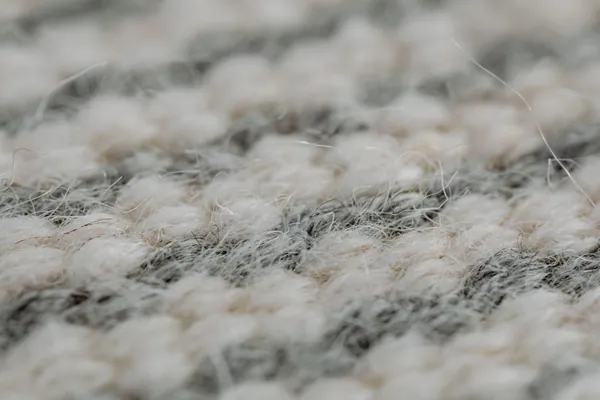
Carpet here is often budget synthetic fibre chosen to withstand commercial traffic from shops below, so sorting emphasises fibre strength and resistance to aggressive cleaning methods.
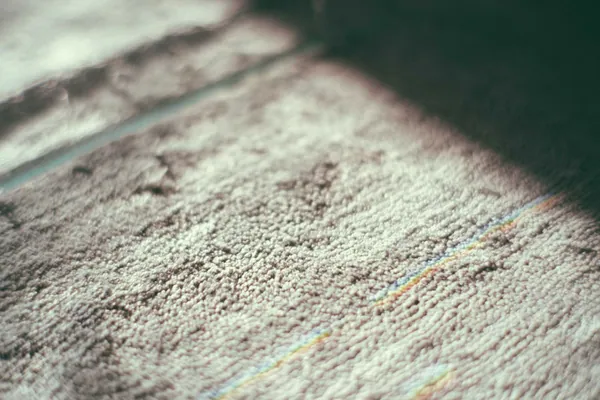
Deep dry vacuuming removes layers of oily soot accumulated on the surface, layers unseen but heavy and responsible for colour change and feel deterioration.
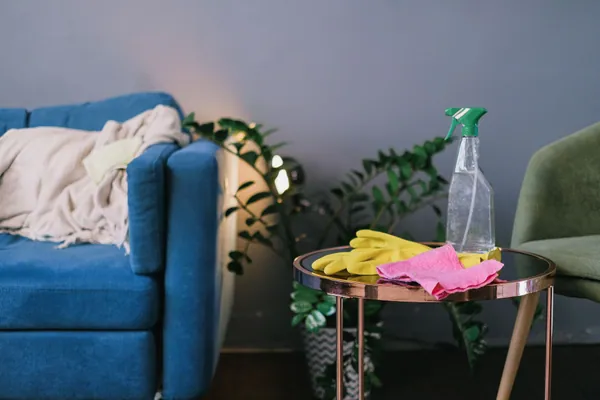
Greasy stains from commercial activity below require slightly stronger solvent than household stains, with extended soak time before rinse water is applied.
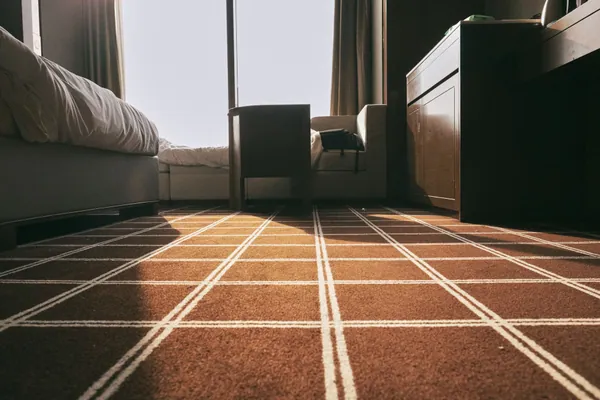
Wash water temperature is higher than standard to dissolve soot and grease, but with caution for weak backing and thin fibres that can break under aggressive heat.
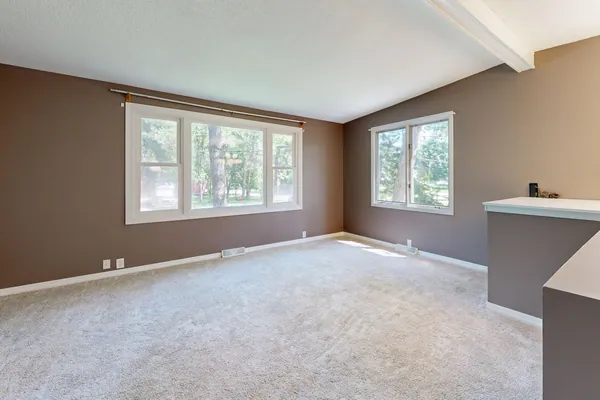
Fitted carpet cleaned in place must be treated gently due to the damp subfloor and weak backing common in buildings of this age and construction standard here.
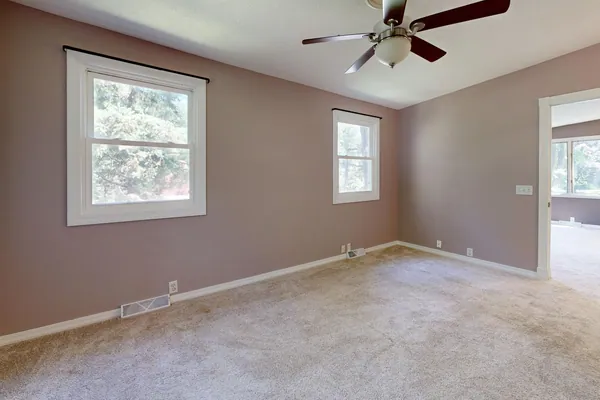
Drying is the longest and most critical step: intensive wet extraction followed by powerful fans or extended natural ventilation to prevent mould growth beneath the pile.
Wool, synthetic and silk-blends do not take the same heat or the same material.
Before any water.
An oil stain is not treated like a juice stain.
Hot water loosens what is bound in the pile and the extractor pulls it straight back out with the water, together, so nothing is left sitting in the base.
The borders and fringe are done by hand, where machines skip and where wear shows first, so the whole rug looks even.
The carpet is left slightly damp, not wet.
Mixed district: shops at street level with homes above them
The mixed character here means carpet carries a double burden: salt and humidity from the coast, and grease and soot from commercial outlets below. Each pollutant type needs separate pre-treatment before they can be addressed together in the final wash.
Testing the material on a hidden spot is a step we treat as necessary, not optional.
The company runs a large workforce, and we send a team rather than one worker.
The deep vacuum and extraction machines are ours and arrive with the team.
If a rug needs repair or re-fringing rather than cleaning, we say so.
Photographs from real jobs carried out by the crew.












The commitment is simple enough to actually keep: we do not leave before you have seen the result and told us what you think.
South Jeddah runs from the port and the industrial city down towards Al Khumrah, and homes here sit between the sea and the heavy goods roads. The dust is darker and oilier than in the north, a mix of diesel soot and workshop grit, and it clings to net curtains, window sills and the tops of kitchen cupboards. Floors in the older low rise housing are often plain cement or ceramic tile that darkens where soot is walked in. Humidity from the coast adds mildew in bathrooms and a musty smell in stored fabrics.
We provide these in Al Karamah too, and more than one can share a single visit.



