
We test before we clean
Testing the material on a hidden spot is a step we treat as necessary, not optional.
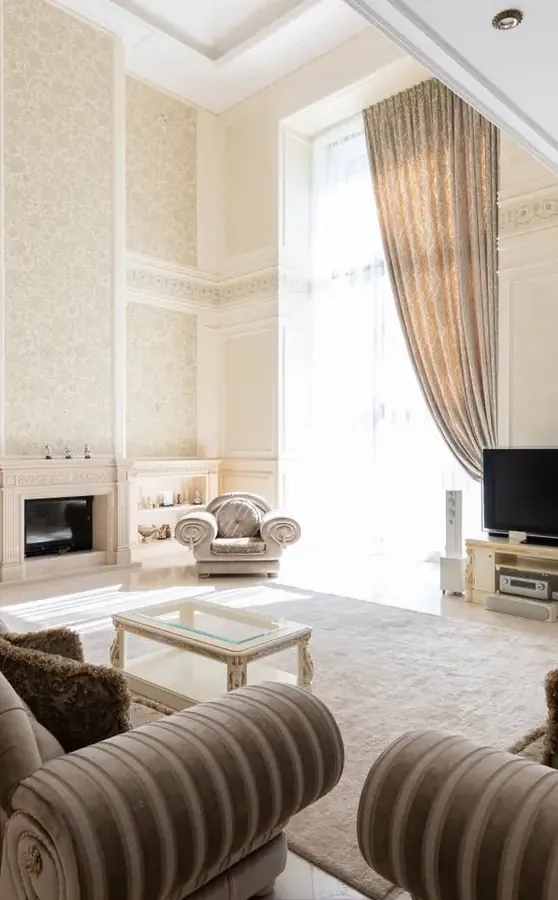
Al Ammariyah is an old central Jeddah district of closely packed apartment buildings on tight street grids, where carpet takes on fine black dust from the main road and fitted carpet lines shared hallways and stairs. Soil settles deep in the pile before it shows on the surface.
Dense apartment buildings with shops and eateries at street level mean carpet and fitted carpet here absorb cooking smells and oily dust that travels up through the floors from the busy street. For the method itself, see our carpet and rug cleaning service in detail.
Main roads nearby release fine black dust from concentrated vehicle movement in a congested district; it enters flats under doors and windows and settles deep in carpet and curtains.
Carpet fitted to hallways and stairs is shared by all residents and visitors, accumulating footprints, dust and stains faster than carpet within private flats.
Ground floor shops and restaurants release moisture, cooking fats and smells that rise into upper flats, clinging to carpet and curtains and requiring more frequent professional cleaning.
Older residential quarters cluster around Maqbarat Ummina Hawwa, the city's oldest cemetery, where narrow streets trap dust and prevent air flow. Ground floor shops and restaurants sit beneath the flats, releasing cooking grease and odours that drift upward.
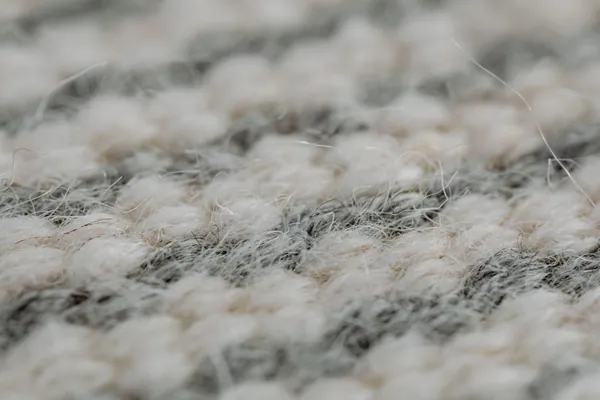
Carpet in older flats may be wool or a blend, so we sort each piece by fibre type and soil level before proceeding.
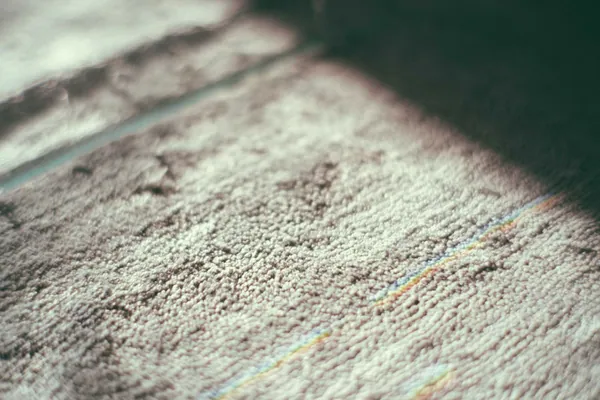
Black dust from the street embeds in the pile quickly, so we vacuum deep first before reaching the extraction stage.
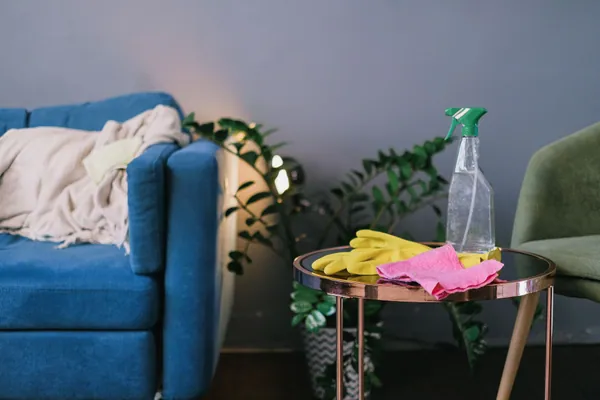
Stains on common fitted carpet are mixed: coffee, oil, food debris, each requiring individual treatment.
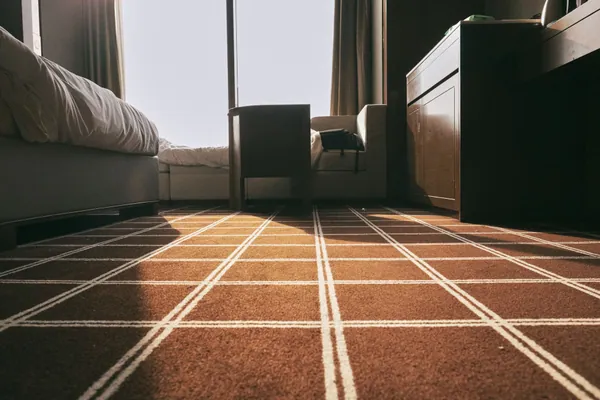
Fitted carpet in hallways is extracted in place without removal; deep embedded soil needs thorough vacuuming then careful washing.
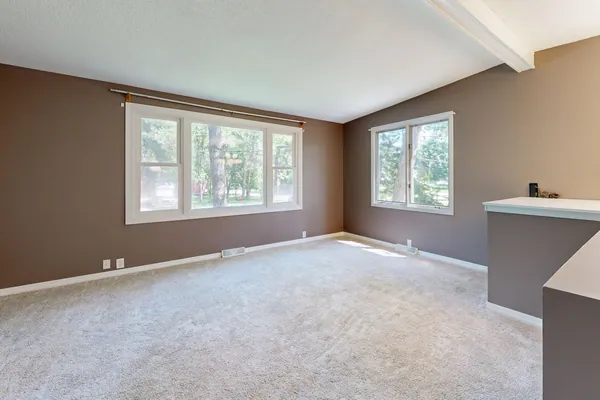
Old terrazzo and ceramic floors need protection from excess water; we dry them carefully after washing.
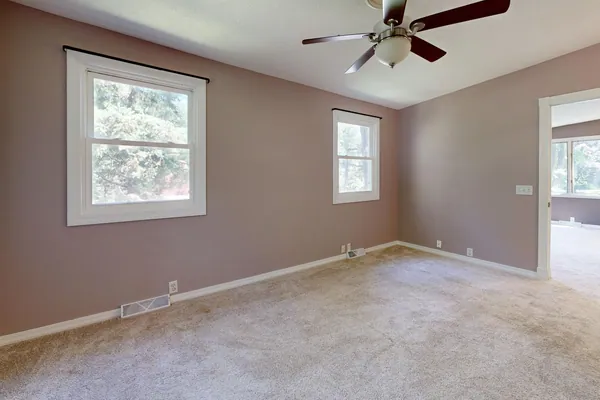
Drying in small, tight flats may be slower, so we use equipment to speed extraction and improve air circulation.
Wool, synthetic and silk-blends do not take the same heat or the same material.
Before any water.
An oil stain is not treated like a juice stain.
Hot water loosens what is bound in the pile and the extractor pulls it straight back out with the water, together, so nothing is left sitting in the base.
The borders and fringe are done by hand, where machines skip and where wear shows first, so the whole rug looks even.
The carpet is left slightly damp, not wet.
Testing the material on a hidden spot is a step we treat as necessary, not optional.
The company runs a large workforce, and we send a team rather than one worker.
The deep vacuum and extraction machines are ours and arrive with the team.
If a rug needs repair or re-fringing rather than cleaning, we say so.
Photographs from real jobs carried out by the crew.












The commitment is simple enough to actually keep: we do not leave before you have seen the result and told us what you think.
Central Jeddah is the old heart of the city: Al Balad with its coral stone houses, and the dense apartment quarters around it with shops beneath the flats. Floors here are often terrazzo or older ceramic tile, worn smooth and easily stained by cooking grease that drifts up from the street. Older kitchens and bathrooms carry heavy scale on taps and around drains, and pipework in the older blocks leaves rust marks in basins. Rugs and curtains take on the fine black dust of the main roads, so they need washing more often than elsewhere.
We provide these in Al Ammariyah too, and more than one can share a single visit.



